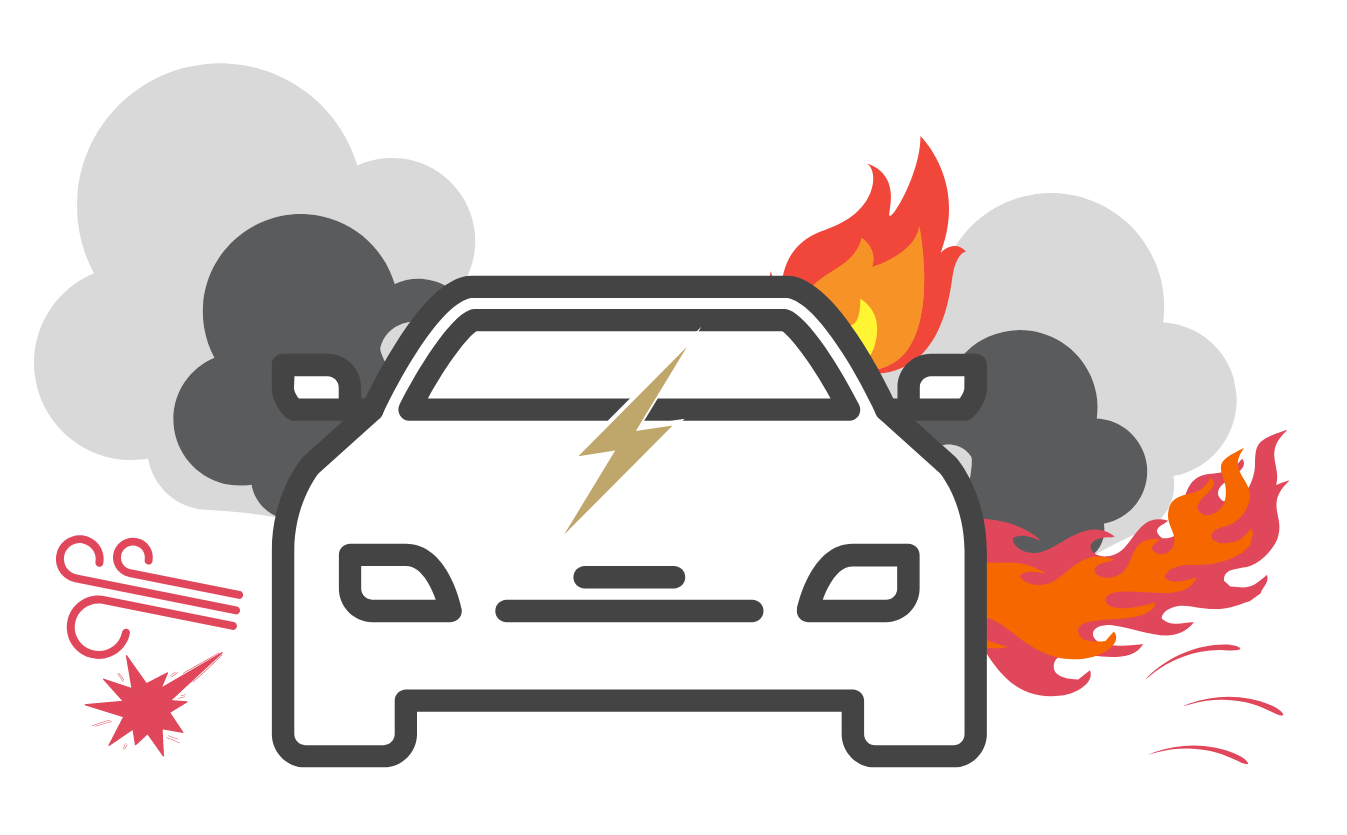
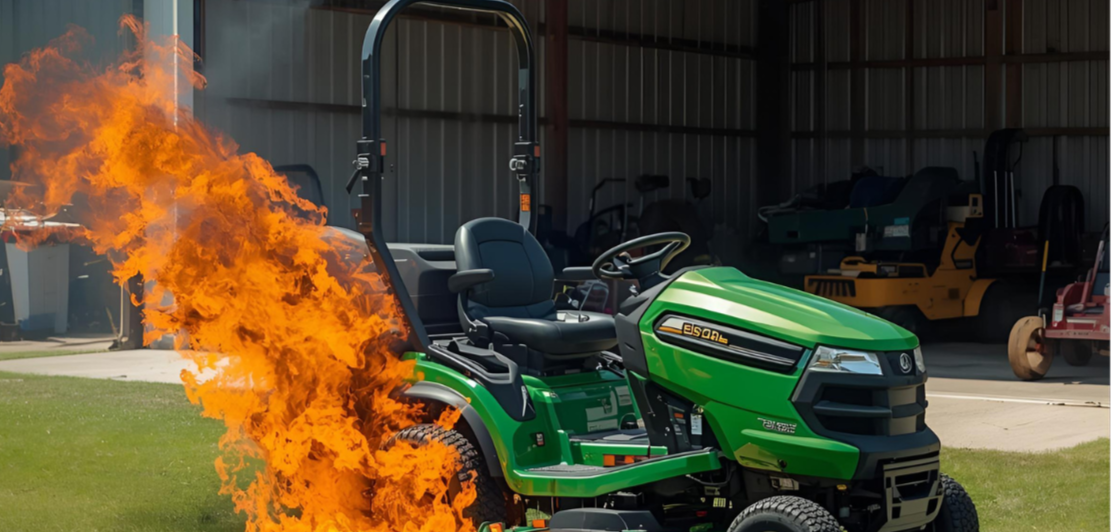
POST INCIDENT safety
EV Assessment of Battery Condition
(EV ABC)
Manage damaged, defective and recalled EVs with confidence, using a practical risk assessment to identify battery fire hazards after an emergency incident.
This course has been developed by global EV fire experts, based on research backed by the Australian Department of Defence.
Note: EVFS OMR001 - Red Card is a pre-requisite for this course - see the learning bundle.
This course has been developed by global EV fire experts, based on research backed by the Australian Department of Defence.
Note: EVFS OMR001 - Red Card is a pre-requisite for this course - see the learning bundle.
Format
Online delivery, at your own pace
Course duration:
~2 hours
Designed for:
Personnel with responsibility for handling damaged electric vehicles
Content:
Post-incident hazards, safe handling, transport and storage.
Course description
The purpose of this course is to provide participants with a practical and consistent framework for assessing the condition of damaged electric vehicle battery systems and determining the likelihood of post-incident thermal runaway.
Using the EV Assessment of Battery Condition (EV ABC) methodology, participants will learn to identify battery hazards, classify risk using the GREEN, AMBER and RED framework, and apply appropriate controls to support safe recovery, transport, storage and incident management.
Prerequisite: Successful completion of EVFS OMR001 – EV FireSafe Red Card is required before undertaking this unit. Additional learning pathways are available for staff seeking advanced capability in electric vehicle battery safety.
Assessment and Certification
Assessment is approached through:
- Simple summative knowledge checks
- Interactive questions to reinforce understanding
- Formal capstone competency assessment
Learners must pass all assessments to successfully complete this course.
Upon successful completion learners will be issued with an EV FireSafe Certificate of Completion.
Upon successful completion learners will be issued with an EV FireSafe Certificate of Completion.
Course content
Access for two years to:
- Post incident thermal runaway hazards
- Sectors at risk
- Hazards during incident scene clean up
- Electrocution risk of damaged EVs
- Decontamination basics
- Protective clothing and equipment
- How EV ABC keeps you safer
- EV ABC Scorecard and Posters
- Locate battery pack
- Visual and thermal inspection
- Assess damage to battery pack
- Assign an EV ABC level and apply poster
Target audience
This training is designed for any professional working with or around electric vehicles or lithium-ion batteries who requires the knowledge to safely identify, assess, and manage emerging fire and safety risks, including:
There are no physical requirements to complete this course.
Learners are expected to manage any anxiety or discomfort that may arise from completing this course.
Learners must have basic literacy and numeracy skills to understand text, images, graphics and videos. Additionally, they must have access to a computer (preferred) and basic digital skills to log in to the course and complete simple assessment tasks.
- Fleet managers and fleet operators managing EV or mixed vehicle fleets
- Workplace health and safety (WHS) professionals and risk managers
- Roadside assistance and vehicle recovery personnel
- Tow truck operators and salvage yard staff
- Automotive workshop technicians and mechanics working on EVs or hybrids
- Emergency response team members (non-fire service) and site first responders
- Facilities managers responsible for buildings with EV charging infrastructure
- Property and asset managers overseeing car parks or depots
- Insurance assessors, risk engineers, and claims personnel
- Transport and logistics operators handling EVs or lithium-ion battery assets
- Government and regulatory personnel involved in transport, safety, or infrastructure
- Fire wardens and workplace emergency coordinators
- Recycling, waste management, and hazardous materials personnel
- Security personnel responsible for monitoring EV charging areas or storage sites
- Construction site personnel, including site managers and contractors
- Shipping and maritime personnel
- Port and terminal operators
- Airport operations staff, including ground crews and facilities teams
- Public transport operators and depot staff
There are no physical requirements to complete this course.
Learners are expected to manage any anxiety or discomfort that may arise from completing this course.
Learners must have basic literacy and numeracy skills to understand text, images, graphics and videos. Additionally, they must have access to a computer (preferred) and basic digital skills to log in to the course and complete simple assessment tasks.
Learning outcomes
On completion of this unit, participants will be able to:
1. Assess battery condition (Assess) with confidence by identifying signs of damage and determining the likelihood of post-incident thermal runaway.
2. Apply the EV ABC safety framework (Apply) to classify damaged electric vehicles as GREEN, AMBER or RED and select appropriate safety controls.
3. Make safer operational decisions (Evaluate) for the recovery, transport, storage and ongoing management of damaged EVs using a consistent, evidence-based process.
Pre-requisites
Successful completion of EVFS OMR001 – EV FireSafe Red Card is required before undertaking this unit.
Learning pathway
EV Assessment of Battery Condition is a pre-requisite for Managing Battery Fire Risk after Disasters and Large Scale Incidents (launching December 2026)
Post-incident hazards...
...can be managed safely by implementing the EV Assessment of Battery Condition safety framework.

Our clients and partners:


















































Proactive risk management of damaged electric vehicle battery packs
Introducing your instructors
Emma Sutcliffe
EV FireSafe CEO
Emma is the Director of EV FireSafe, a private company funded by the Australian Department of Defence to research EV battery fires & emergency response. She is also an operational firefighter.
Dan Fish
EV firesafe COO
Dan is EV FireSafe's Technical Specialist & EV safety guru. He started his career as a mechanic & became a full-time firefighter 20 years ago. He now has an encyclopaedic knowledge of EVs & high voltage systems.
The EV FireSafe team are
#thought leading | #globally recognised | #data-driven | #safety focused | #evidence based
EV FireSafe Training is based in Australia, operating globally.
Data & research used in our training is supplied by our partner company EV FireSafe, an Australian company funded by the Department of Defence to research electric vehicle battery fires & emergency response.
Not sure what training is right for you? Use our Course Finder
Have a question? Check out the FAQs
Want to know more about us? Here's an introduction!
View our research at evfiresafe.com
Thanks for joining us to make everyone safer around EVs!
Data & research used in our training is supplied by our partner company EV FireSafe, an Australian company funded by the Department of Defence to research electric vehicle battery fires & emergency response.
Not sure what training is right for you? Use our Course Finder
Have a question? Check out the FAQs
Want to know more about us? Here's an introduction!
View our research at evfiresafe.com
Thanks for joining us to make everyone safer around EVs!
Copyright © 2026